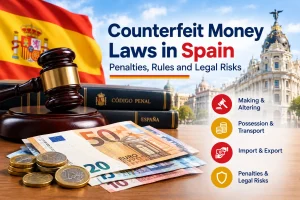
Counterfeit Money Laws in Spain
\ Counterfeit Money Laws in Spain Counterfeit Money Laws in Spain establish serious criminal penalties for manufacturing, altering, importing, exporting,...
Read More
How Banks Handle Suspected Counterfeit Currency
How Banks Handle Suspected Counterfeit Currency How banks handle suspected counterfeit currency is an important question for anyone who deposits,...
Read More
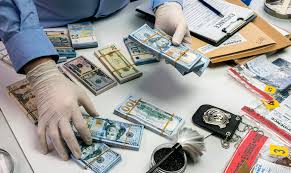
Counterfeit Currency Risks for Restaurants and Retail Stores
Counterfeit Currency Risks for Restaurants and Retail Stores Counterfeit currency risks for restaurants and retail stores are an important concern...
Read More

Cash Handling and Counterfeit Prevention
Cash Handling and Counterfeit Prevention Cash handling and counterfeit prevention are important parts of operating any business that accepts physical...
Read More
Employee Training for Counterfeit Currency Detection
Employee Training for Counterfeit Currency Detection Employee training for counterfeit currency detection is an important part of protecting businesses that...
Read More

How Retailers Can Detect Counterfeit Money
How Retailers Can Detect Counterfeit Money Retailers handle cash every day, so knowing how to recognize suspicious banknotes can help...
Read More
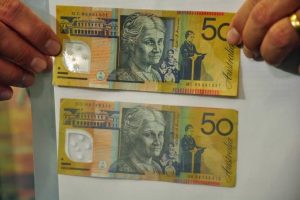
Counterfeit Money Prevention for Businesses
Counterfeit Money Prevention for Businesses Counterfeit Money Prevention for Businesses is an important part of protecting retailers, employees, customers, and...
Read More
What Businesses Should Do When They Detect Fake Currency
```html What Businesses Should Do When They Detect Fake Currency What Businesses Should Do When They Detect Fake Currency depends...
Read More

What Happens If a Cashier Gives You Counterfeit Money?
```html What Happens If a Cashier Gives You Counterfeit Money? What Happens If a Cashier Gives You Counterfeit Money? This...
Read More

Can You Exchange Counterfeit Money?
Can You Exchange Counterfeit Money? Can You Exchange Counterfeit Money? This is an important question for anyone who discovers that...
Read More
Where Should You Report Counterfeit Money?
Where Should You Report Counterfeit Money? Where Should You Report Counterfeit Money? Knowing where to report suspected counterfeit currency is...
Read More
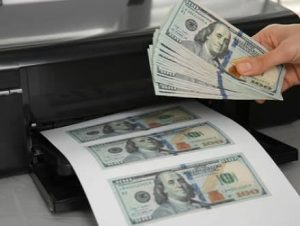
What Should You Do If You Receive Counterfeit Money?
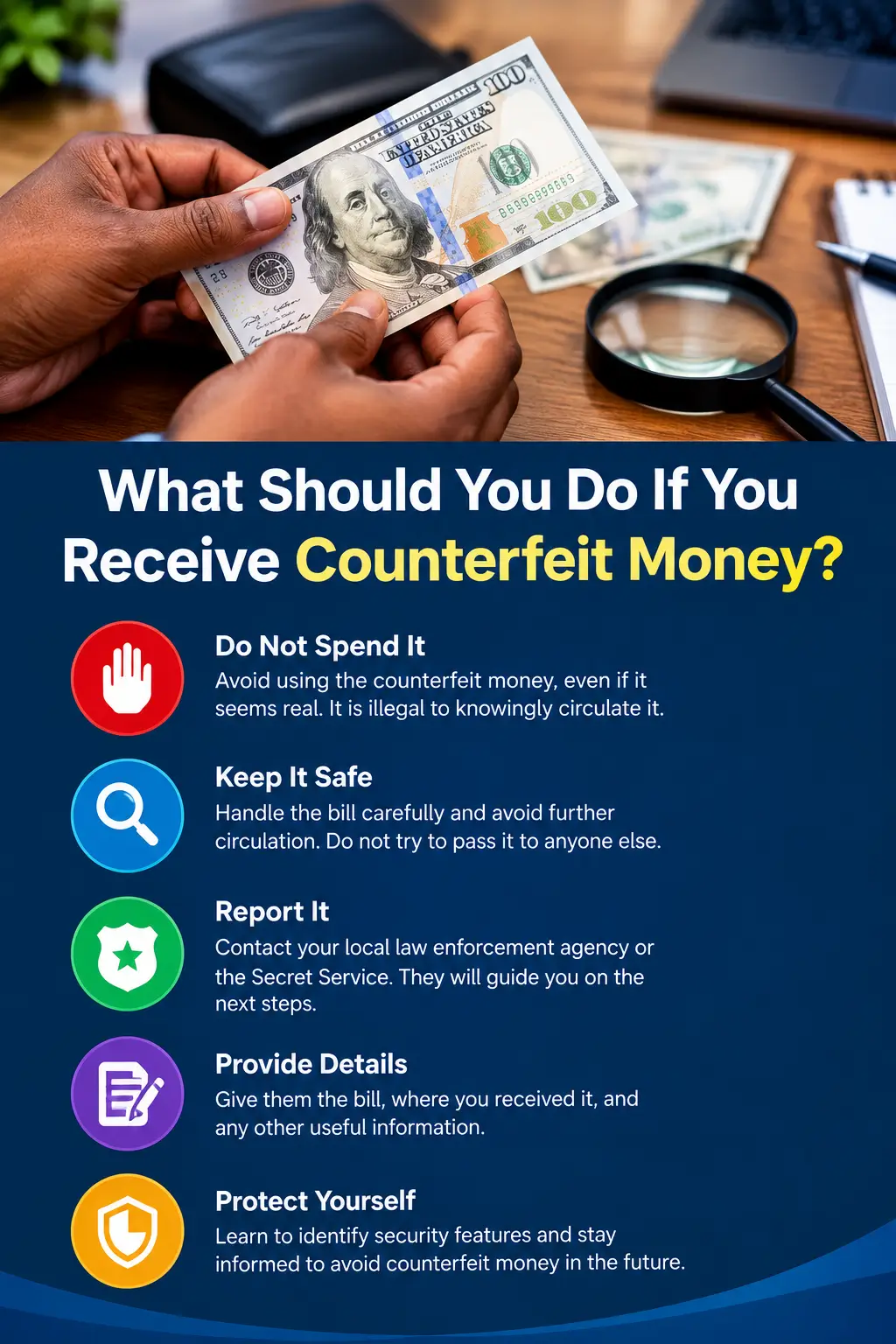
What Should You Do If You Receive Counterfeit Money? What Should You Do If You Receive Counterfeit Money? Discovering that...
Read More
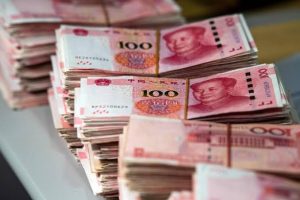
Counterfeit Money Laws in China
If you have received a suspicious banknote and are unsure what to do next, read our guide on What Should...
Read More

Counterfeit Money Laws in Japan
Counterfeit Money Laws in Japan Counterfeit Money Laws in Japan impose serious criminal penalties on people who manufacture, alter, use,...
Read More

Counterfeit Money Laws in South Africa
Counterfeit Money Laws in South Africa Counterfeit Money Laws in South Africa establish criminal offenses for making counterfeit coins, forging...
Read More
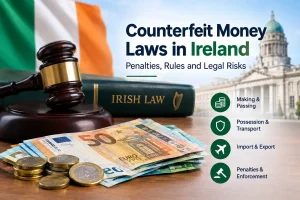
Counterfeit Money Laws in Ireland
Counterfeit Money Laws in Ireland Counterfeit Money Laws in Ireland establish serious criminal consequences for people who manufacture, possess, pass,...
Read More
Counterfeit Money Laws in Switzerland
Counterfeit Money Laws in Switzerland Counterfeit Money Laws in Switzerland make it a criminal offense to counterfeit currency, alter banknotes...
Read More

Counterfeit Money Laws in France
Counterfeit Money Laws in France Counterfeit Money Laws in France are designed to protect the integrity of the euro and...
Read More

Counterfeit Money Laws in Germany
Counterfeit Money Laws in Germany Counterfeit Money Laws in Germany impose serious criminal penalties on people who manufacture, obtain, possess...
Read More
Counterfeit Money Laws in Australia
Counterfeit Money Laws in Australia Counterfeit Money Laws in Australia make it a serious criminal offense to manufacture, knowingly possess,...
Read More

Counterfeit Money Laws in the United Kingdom
Counterfeit Money Laws in the United Kingdom Counterfeit Money Laws in the United Kingdom are designed to prevent the production,...
Read More
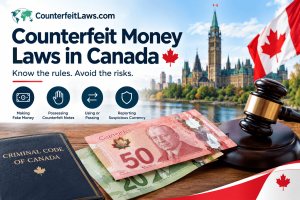
Counterfeit Money Laws in Canada
Counterfeit Money Laws in Canada Counterfeit Money Laws in Canada are designed to protect the integrity of Canadian currency and...
Read More
United States Counterfeit Laws
United States Counterfeit Laws United States Counterfeit Laws establish serious federal offenses involving the production, alteration, possession, passing, sale, transfer,...
Read More